Window Leaks in Spring: Condensation or Water Intrusion?
🪟 Window Leaks in Spring: Condensation or Water Intrusion?
How inspectors tell the difference—and why it matters
Spring is when many Chicago homeowners first notice water around their windows. The big question is always the same: Is this just condensation, or is water actually getting inside? The difference matters—because one is a comfort issue, and the other can lead to rot, mold, and structural damage.
Here’s how inspectors separate the two during spring inspections.
💨 What Normal Condensation Looks Like
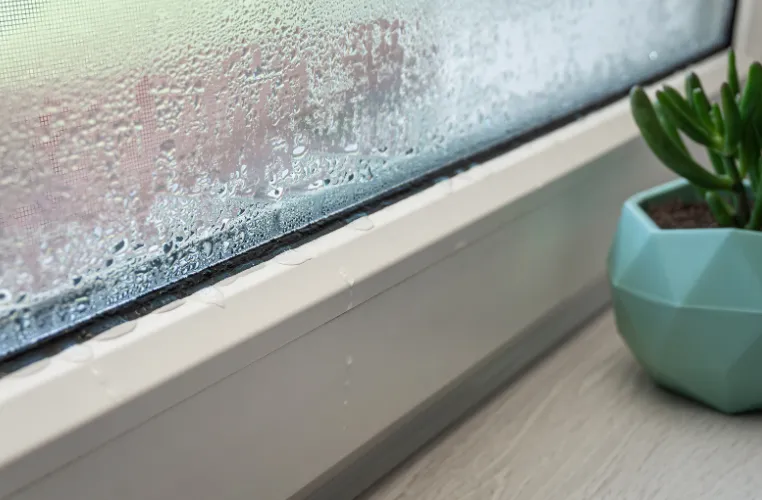
Condensation forms when warm, humid indoor air meets cool window surfaces.
Inspectors typically identify condensation when they see:
Moisture on the inside glass only
Fogging that appears overnight and clears during the day
Water beads evenly across the glass surface
No staining or damage to surrounding trim or drywall
Condensation is common in spring when temperatures fluctuate and indoor humidity remains high after winter.
🚨 What Water Intrusion Looks Like
Water intrusion means rainwater is entering the home—and it’s a bigger concern.
Inspectors look for signs such as:
Water staining on drywall or window trim
Peeling paint or swollen wood around the frame
Damp spots that appear after rain, not overnight
Moisture at the bottom corners of windows
Mold or musty odors near window openings
These indicators suggest exterior water is bypassing the window’s protective layers.
🧱 Common Causes of Spring Window Leaks
During inspections, window leaks are often traced back to:
Failed or missing exterior caulking
Improper flashing above or around windows
Siding or masonry gaps directing water inward
Clogged or missing weep holes
Poor grading or downspout discharge near windows
Damage caused by winter freeze–thaw cycles
Spring rain is often the first time these issues show up.
🔎 How Inspectors Tell the Difference
Inspectors don’t just look at the window itself—they evaluate the whole system, including:
Interior moisture patterns
Exterior trim, siding, and flashing
Signs of water travel behind walls
Drainage and grading below windows
Correlation between rainfall and moisture appearance
This approach helps determine whether the issue is humidity-related or active leakage.
🛠️ What Homeowners Should Do Next
If it’s condensation:
Reduce indoor humidity
Improve ventilation
Increase airflow around windows
If it’s water intrusion:
Repair exterior sealing or flashing
Address drainage issues
Fix siding or masonry gaps
Prevent further interior damage early
Catching the issue now prevents more serious repairs later.
🌷 Spring Is the Time to Know for Sure
Window moisture isn’t something to guess about. A spring inspection helps homeowners understand whether they’re dealing with harmless condensation or a leak that needs attention—before spring rain turns into summer damage.
👉 Book your home inspection with City Home Inspectors online at www.cityhomeinspectors.com.
