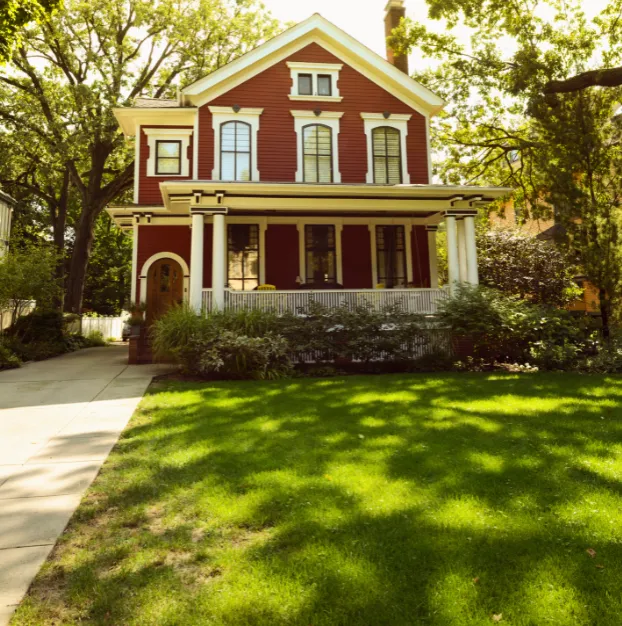
Why Older Chicago Homes Struggle to Stay Cool
🏙️ Why Older Chicago Homes Struggle to Stay Cool
How brick construction, outdated insulation, and airflow issues trap summer heat
If you live in a Chicago bungalow or two-flat, you’re not imagining it—older Chicago homes often work harder to stay cool. During summer inspections, we regularly see the same heat-related challenges tied to how these homes were built long before modern cooling expectations.
Understanding why these homes struggle helps homeowners make smarter improvements—and avoid wasting money on quick fixes that don’t solve the real problem.
🧱 Brick Construction: Great for Winter, Tough in Summer
Brick is a staple of Chicago architecture—but it behaves differently in heat.
Inspectors often note that brick:
Absorbs heat all day and releases it slowly at night
Keeps homes warm long after sunset
Traps heat inside upper floors
Without proper insulation behind the brick, homes can feel like they never cool down.
🧊 Outdated or Missing Insulation
Many older homes were built before modern insulation standards.
During inspections, we frequently find:
Thin or uneven attic insulation
Little to no insulation in exterior walls
Insulation that has settled or deteriorated over decades
Without proper insulation, cool air escapes quickly while outdoor heat moves in just as fast.
🏠 Flat & Low-Slope Roofs Hold Heat
Flat roofs are common on two-flats and multi-unit buildings—and they retain heat.
Inspectors often observe:
Roof surfaces heating interior spaces directly below
Minimal insulation between roof and living space
Upper-floor units consistently warmer than lower floors
This makes top-floor living especially uncomfortable during heat waves.
🌬️ Poor Airflow & Limited Ventilation
Older homes weren’t designed with air conditioning in mind.
Common airflow issues include:
Fewer return vents on upper floors
Inadequate attic ventilation
Stairwell layouts that trap warm air
Window placement that limits cross-ventilation
Even a good AC system struggles when airflow is restricted.
❄️ Why AC Alone Isn’t the Fix
Inspectors often see homeowners trying to compensate with:
Larger AC units
Window units added room by room
Fans running constantly
Without addressing insulation, ventilation, and airflow, these solutions increase energy bills without delivering comfort.
🔎 What Inspectors Focus On
During summer inspections, City Home Inspectors evaluates:
Attic insulation and ventilation
Heat buildup patterns by floor
Airflow balance and duct layout
Signs of heat intrusion through walls and roofs
These findings help homeowners prioritize fixes that actually work.
🌞 Comfort Comes From the Whole System
Older Chicago homes don’t need to be uncomfortable—but they do need targeted improvements. Addressing insulation, airflow, and ventilation makes cooling systems more effective and reduces summer strain.
👉 Book your home inspection with City Home Inspectors online at www.cityhomeinspectors.com.
