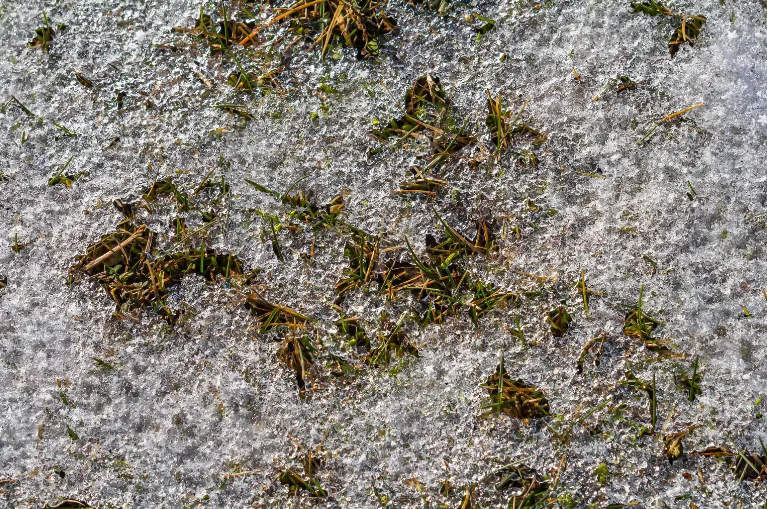
What Happens to Your Home When the Ground Thaws
🌱 What Happens to Your Home When the Ground Thaws
Why early spring reveals foundation and drainage issues
As Chicago moves from winter into spring, thawing soil triggers one of the most important stress tests for your home. Frozen ground begins to soften, water moves more freely, and small shifts in soil can affect foundations, sidewalks, and basement walls. Early spring inspections often reveal issues that stayed hidden all winter.
❄️➡️💧 Why Thawing Ground Causes Movement
During winter, moisture in the soil freezes and expands. When temperatures rise:
Soil contracts as ice melts
Saturated ground becomes unstable
Water flows toward low points, often near foundations
Pressure against basement walls changes
This process can cause subtle—but important—movement around your home.
🧱 Foundation & Basement Wall Changes
Inspectors commonly observe:
New or widening foundation cracks
Stair-step cracks in block or brick walls
Basement wall bowing or inward movement
Gaps forming where walls meet floors
Efflorescence (white mineral residue) left behind by moisture
These signs often appear shortly after the ground thaws.
🚶 Sidewalks, Steps & Exterior Shifts
Thawing soil affects exterior flatwork too.
Early spring inspections often reveal:
Sidewalk panels that have lifted or sunk
Porch steps pulling away from the foundation
Uneven walkways creating trip hazards
Gaps forming between concrete and siding
These shifts are common after freeze–thaw cycles and worsen if drainage is poor.
💧 Basement Moisture After the Thaw
As frozen ground releases moisture, inspectors frequently find:
Damp basement walls or floors
Water stains near foundation cracks
Moisture around basement window wells
Musty odors that appear after warm days
Thaw periods push water toward foundations before the soil fully dries.
🔎 What Inspectors Look For in Early Spring
During early-spring inspections, City Home Inspectors checks for:
Fresh cracking or movement indicators
Signs of active water intrusion
Drainage patterns around the foundation
Downspout discharge distance
Grading that slopes toward the home
Interior wall and ceiling cracks tied to movement
Catching these issues early helps prevent worsening damage.
🌿 Why Early Spring Inspections Matter
Spring thaw reveals how well your home handles changing ground conditions. Identifying foundation movement, drainage problems, and moisture intrusion early allows homeowners to address small issues before spring rains amplify them.
🌼 When the Ground Tells the Story
Thawing soil doesn’t create problems—it exposes them. An early-spring inspection provides valuable insight into how your home responds to shifting conditions and helps protect it for the rest of the year.
👉 Book your home inspection with City Home Inspectors online at www.cityhomeinspectors.com.
