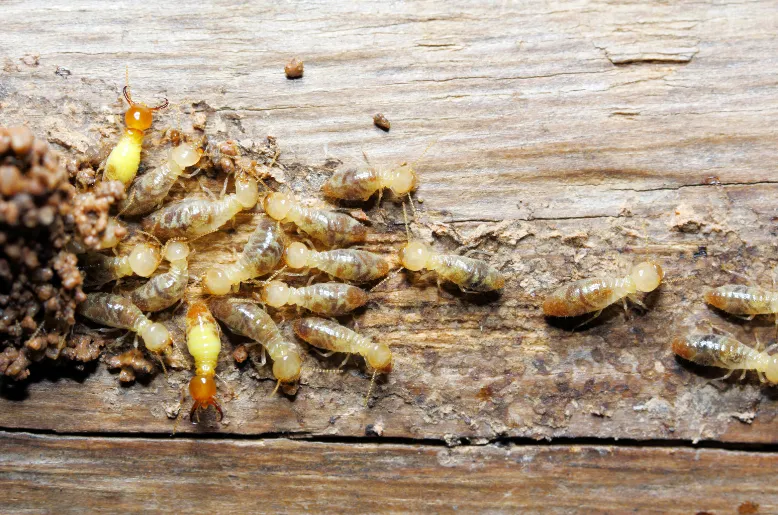
Termite and Wood-Destroying Insects: Spring Warning Signs
🐜 Termite and Wood-Destroying Insects: Spring Warning Signs
Early indicators inspectors spot before visible damage occurs
Spring marks the start of peak activity for termites and other wood-destroying insects in Chicago. While major damage may not be visible yet, experienced inspectors often spot early warning signs that signal a developing problem. Catching these indicators early can prevent costly structural repairs later.
🌱 Why Spring Is High-Risk for Wood-Destroying Insects
As temperatures rise:
Soil warms, activating termites
Moisture from spring rain creates ideal conditions
Insects expand beyond winter nesting areas
Exterior wood becomes more accessible
Spring conditions make early signs easier to detect during inspections.
🪵 Subtle Signs of Termite Activity
Termites work quietly, often out of sight.
Inspectors look for:
Mud tubes along foundation walls or crawl spaces
Pin-sized holes in drywall or wood
Hollow-sounding wood when tapped
Swarmers or discarded wings near windows or doors
Soft or blistered wood surfaces
These signs often appear long before major damage is obvious.
🐜 Other Wood-Destroying Insects Inspectors Spot
Not all damage comes from termites.
Spring inspections often reveal:
Carpenter ant activity near damp wood
Wood-boring beetle exit holes
Frass (fine sawdust) beneath affected wood
Insect trails near structural framing
These pests are often linked to moisture problems.
💧 Moisture: The Common Denominator
Wood-destroying insects are drawn to damp conditions.
Inspectors frequently trace activity back to:
Poor exterior drainage
Basement or crawl space moisture
Leaky windows or siding
Wood-to-soil contact
Reducing moisture is key to prevention.
🔎 What Inspectors Evaluate
During spring inspections, City Home Inspectors checks:
Foundation walls and sill plates
Crawl spaces and basements
Exterior wood and trim
Attics and structural framing
Moisture-prone areas
Inspection findings help determine if further evaluation is needed.
🛠️ What Homeowners Can Do Early
Address moisture and drainage issues
Keep soil and mulch away from wood siding
Store firewood away from the home
Seal exterior gaps and cracks
Monitor basements and crawl spaces regularly
Early prevention limits long-term damage.
🌼 Early Signs Matter
Termite and insect damage doesn’t happen overnight—but it does escalate quickly once established. A spring inspection helps homeowners catch early warning signs and protect their home before visible damage appears.
👉 Book your home inspection with City Home Inspectors online at www.cityhomeinspectors.com.
