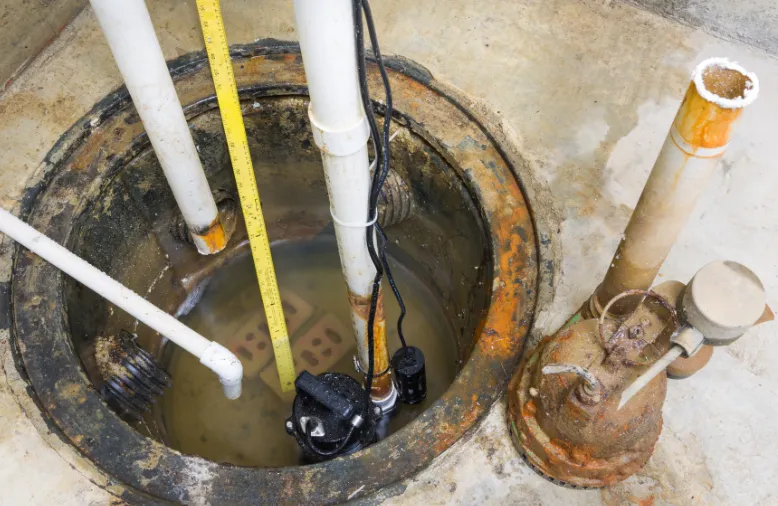
Sump Pumps After Winter: Testing Before the Heavy Rains
💧 Sump Pumps After Winter: Testing Before the Heavy Rains
Why spring failures often trace back to winter damage
Spring rains put sump pumps to the test—and every year, inspectors find pumps that should have worked but didn’t. In many cases, the problem started during winter, when freezing temperatures, ice buildup, and lack of use quietly damaged components. Testing your sump pump before heavy spring rains arrive can prevent basement flooding and costly cleanup.
❄️ How Winter Takes a Toll on Sump Pumps
Even if your basement stayed dry all winter, cold weather can still cause issues:
Discharge lines freeze or crack
Check valves stick or fail
Pumps sit idle and seize up
Ice blocks exterior discharge points
Snow burial redirects water back toward the foundation
By the time spring rain hits, the system may already be compromised.
🔎 What Inspectors Check During Spring Inspections
When evaluating sump pump systems, inspectors focus on:
Pump Operation
Does the pump turn on and off properly?
Does it empty the pit efficiently?
Is the pump appropriately sized for the home?
Discharge Line
Is the discharge pipe clear and intact?
Does it extend far enough away from the foundation?
Is the termination free of ice damage or blockage?
Check Valve
Is a check valve present and properly oriented?
Does it prevent water from flowing back into the pit?
Electrical & Safety
Is the pump plugged into a dedicated outlet?
Is the cord intact and protected?
Is there a battery backup in case of power loss?
🚨 Common Spring Failures Inspectors See
Spring inspections frequently uncover:
Pumps that run continuously but don’t move water
Discharge lines dumping water right next to the foundation
Frozen or cracked pipes from winter expansion
Failed backup batteries that were never tested
Pumps overwhelmed by spring water volume
These failures often happen during the first major rainstorm.
🛠️ What Homeowners Can Do Right Now
Before spring rains intensify:
Test the pump by slowly pouring water into the pit
Inspect the discharge line for cracks or ice damage
Clear snow, ice, and debris from the discharge outlet
Confirm the pump drains completely and shuts off
Check battery backup systems and replace old batteries
Make sure water flows away from the home, not back toward it
These simple steps can make the difference between a dry basement and a flooded one.
🌧️ Why Timing Matters
Sump pump failures rarely happen on dry days—they happen when water volume is highest and response time is lowest. Early spring inspections allow homeowners to identify weaknesses while repairs are still manageable.
🌱 A Small Test That Prevents a Big Mess
Your sump pump is your basement’s last line of defense. Testing it after winter—before heavy rains arrive—can save thousands in water damage and cleanup costs.
👉 Book your home inspection with City Home Inspectors online at www.cityhomeinspectors.com.
