Spring Melt and Basement Water: Why March Is a Critical Month
💧 Spring Melt and Basement Water: Why March Is a Critical Month
How snowmelt reveals sump pump, foundation, and drainage problems
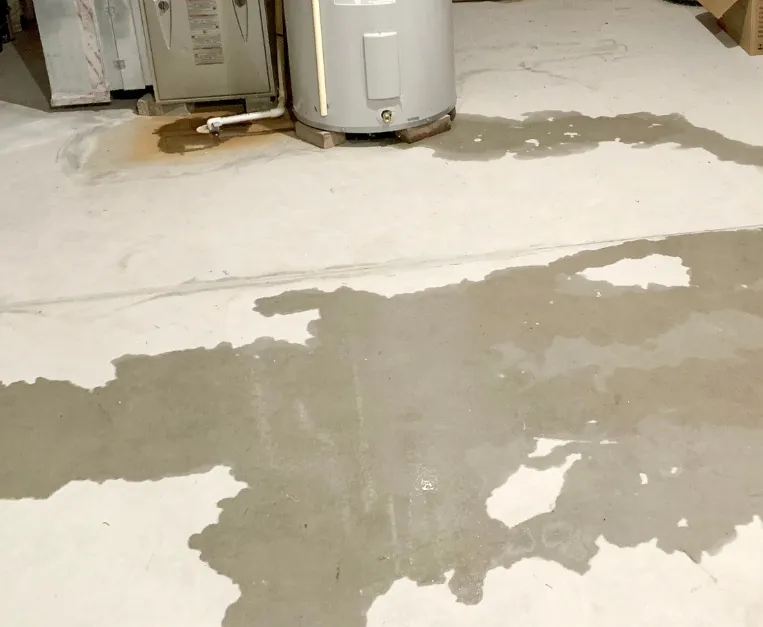
March is one of the most important—and risky—months for Chicago basements. As snow melts and the ground begins to thaw, water moves differently than it does during rainstorms. Frozen soil limits absorption, forcing meltwater toward foundations. This is when basement water issues often appear for the first time, and why March inspections are especially revealing.
❄️➡️💦 Why Snowmelt Causes Basement Problems
Spring melt behaves differently than rainfall:
Frozen or partially frozen ground prevents proper drainage
Meltwater flows along the surface toward the home
Ice blocks normal runoff paths
Water pressure builds against foundation walls
Even homes that stayed dry all winter can experience moisture issues in March.
🚰 Sump Pump Performance Under Pressure
March is when sump pumps prove whether they’re truly reliable.
Inspectors often find:
Pumps that haven’t been tested recently
Discharge lines frozen, clogged, or too close to the foundation
Missing or failed check valves
Pumps undersized for spring water volume
No battery backup during power outages
A sump pump that worked in January may fail during peak snowmelt.
🧱 Foundation Seepage After the Thaw
As soil releases moisture, inspectors frequently see:
Water entering through hairline foundation cracks
Seepage at the joint where basement walls meet the floor
Damp spots that appear only during thaw periods
White mineral deposits (efflorescence) indicating past water movement
These are early warning signs that water is finding its way inside.
🪟 Window Wells: A Common Trouble Spot
Basement window wells often collect snow and ice all winter.
March inspections commonly reveal:
Standing water in window wells
Clogged or missing window well drains
Soil buildup reducing drainage capacity
Water intrusion around window frames
Without proper drainage, meltwater can leak directly into the basement.
🏠 Grading & Downspouts Matter More in March
Snowmelt highlights exterior drainage flaws.
Inspectors look for:
Downspouts discharging too close to the foundation
Extensions buried in snow or ice
Soil sloping toward the home instead of away
Areas where water pools after thawing
Small grading issues become major problems during spring melt.
🔎 Why March Inspections Are So Valuable
March inspections capture water movement in real time. Instead of guessing how your basement might behave, you see how it actually responds to snowmelt and thawing soil—before spring rains make issues worse.
🌱 Catch Basement Water Issues Early
Basement water problems don’t usually start with a flood—they start with damp spots, slow seepage, or overworked sump pumps. A March inspection helps homeowners address these issues early and protect their basement before peak spring moisture arrives.
👉 Book your home inspection with City Home Inspectors online at www.cityhomeinspectors.com.
