Spring Electrical Risks: Outdoor Outlets, GFCIs, and Moisture
⚡ Spring Electrical Risks: Outdoor Outlets, GFCIs, and Moisture
How wet weather exposes hidden electrical hazards
Spring brings rain, melting snow, and higher humidity—conditions that significantly increase electrical safety risks around the home. During spring inspections, inspectors frequently uncover electrical hazards tied to moisture exposure, especially at outdoor outlets, garages, and basements.
These are issues many homeowners don’t realize exist—until something trips, sparks, or fails.
🌧️ Why Spring Is a High-Risk Season for Electrical Systems
Water and electricity don’t mix. Spring creates the perfect storm:
Rainwater reaches outlets and fixtures
Melting snow saturates soil and foundation walls
Humidity increases in garages and basements
Exterior electrical components come back into use
Even minor moisture exposure can compromise electrical safety.
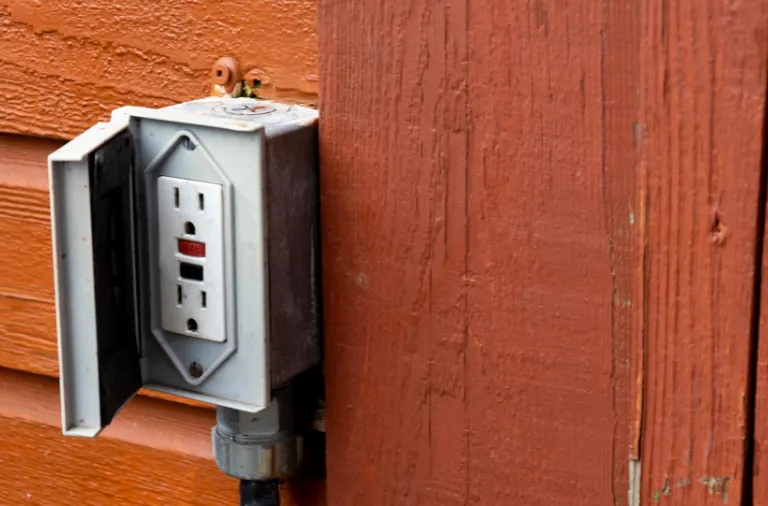
🔌 Outdoor Outlets: Small Details, Big Risks
Inspectors commonly find outdoor outlets that are:
Missing weather-resistant covers
Not protected by GFCIs
Corroded from moisture intrusion
Loose or improperly sealed to siding or masonry
Without proper protection, outdoor outlets can shock users or trip repeatedly.
⚠️ GFCIs That Don’t Actually Protect
GFCIs are designed to shut off power when moisture is detected—but only if they work.
Spring inspections often reveal:
GFCIs that won’t trip or reset
Older outlets that were never upgraded
GFCIs blocked by paint or debris
Interior outlets mistakenly serving outdoor locations
A GFCI that doesn’t function correctly provides a false sense of safety.
🏠 Moisture in Garages & Basements
Inspectors frequently identify:
Damp conditions near electrical panels
Exposed wiring near concrete floors
Extension cords used permanently in wet areas
Ungrounded outlets in basements
Moisture increases the risk of corrosion, shorts, and shock hazards.
🔎 What Inspectors Look For
During spring inspections, City Home Inspectors evaluates:
Proper GFCI protection in wet areas
Weatherproof outlet covers and seals
Signs of corrosion or water damage
Electrical clearances near moisture sources
Safe routing of exterior and garage wiring
These checks help prevent electrical incidents before peak outdoor use.
🛠️ Simple Safety Steps Homeowners Can Take
Test all GFCI outlets monthly
Install weather-resistant outlet covers
Avoid using extension cords outdoors long-term
Keep electrical panels dry and accessible
Replace damaged or corroded outlets promptly
These steps significantly reduce spring electrical risks.
🌱 Wet Weather Exposes Electrical Weaknesses
Spring moisture reveals problems that dry seasons hide. A professional inspection ensures outdoor outlets, GFCIs, and electrical components are safe before summer activities begin.
👉 Book your home inspection with City Home Inspectors online at www.cityhomeinspectors.com.
