Pests Wake Up in Spring—So Do Inspection Findings
🐜 Pests Wake Up in Spring—So Do Inspection Findings
Why rising temperatures reveal hidden pest activity
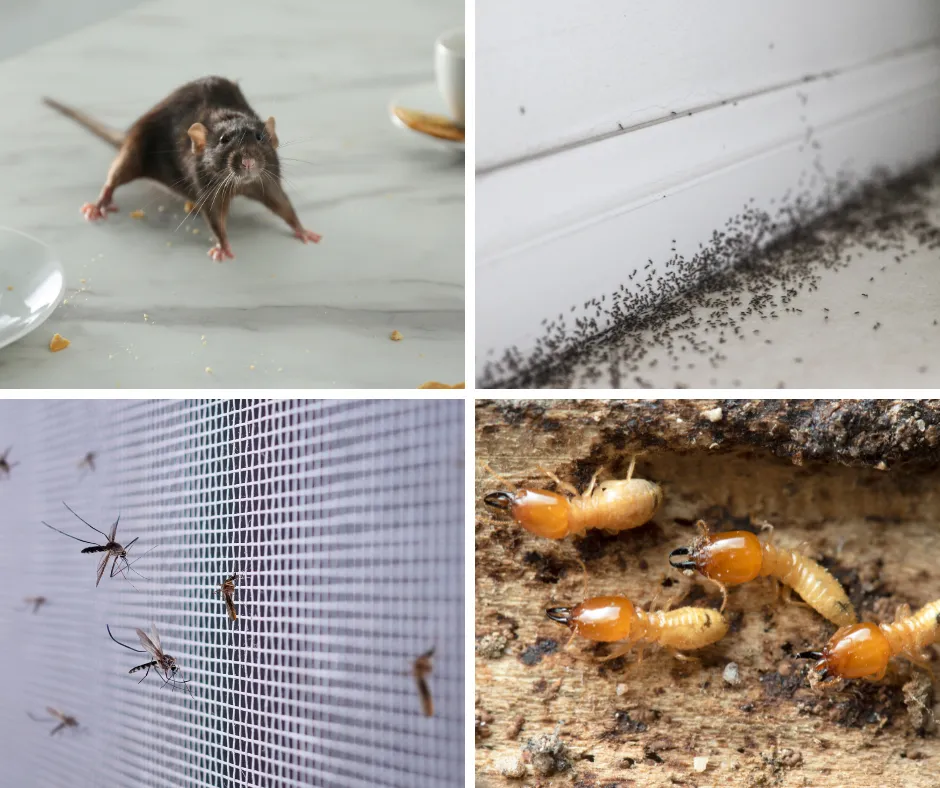
As temperatures rise in Chicago, pests come out of hiding—and so do the signs they leave behind. Spring inspections frequently uncover termite activity, rodent entry points, and insect infestations that stayed quiet during winter. Catching these issues early can prevent structural damage and costly remediation later in the year.
🌱 Why Spring Is Prime Time for Pest Activity
Cold weather slows pests down—but it rarely eliminates them. As spring arrives:
Soil warms, activating termites and insects
Rodents expand nesting areas after winter sheltering
Moisture from rain and snowmelt attracts pests indoors
Exterior gaps become access points
Spring conditions make pest evidence easier to spot during inspections.
🪵 Termites: The Silent Spring Threat
Termites become more active as soil temperatures rise.
Inspectors often find:
Mud tubes along foundation walls
Damaged or hollow-sounding wood
Swarmers near windows or basements
Moisture conditions that attract termites
Because termites work from the inside out, early detection is critical.
🐭 Rodents: Evidence Left Behind
Rodents may have sheltered indoors all winter—and spring inspections often reveal:
Droppings in basements, attics, or crawl spaces
Chewed wiring, insulation, or wood framing
Nesting materials behind walls or appliances
Gaps around foundations, vents, or utility lines
Rodents pose health risks and can cause serious damage if not addressed.
🐜 Insects & Moisture-Loving Pests
Spring moisture attracts a range of insects.
Inspectors commonly spot:
Carpenter ants near damp wood
Silverfish and centipedes in basements
Ant trails entering through foundation cracks
Insect activity linked to moisture or wood decay
These pests often point to underlying moisture problems.
🔎 What Inspectors Look For
During spring inspections, City Home Inspectors checks for:
Wood damage or soft spots
Entry points around siding, foundations, and rooflines
Moisture conditions that attract pests
Signs of nesting or infestation
Structural areas vulnerable to pest damage
Inspection findings help determine whether pests are active—or conditions are simply inviting them in.
🛠️ What Homeowners Can Do This Spring
Seal gaps and cracks around the exterior
Address moisture and drainage issues
Store firewood away from the home
Keep mulch and soil below siding
Monitor basements and attics for activity
Early prevention reduces long-term pest risks.
🌼 Spring Reveals More Than Just Flowers
Pests don’t wait—and neither should homeowners. Spring inspections uncover early signs of infestation and the conditions that allow pests to thrive, helping protect your home before activity peaks.
👉 Book your home inspection with City Home Inspectors online at www.cityhomeinspectors.com.
