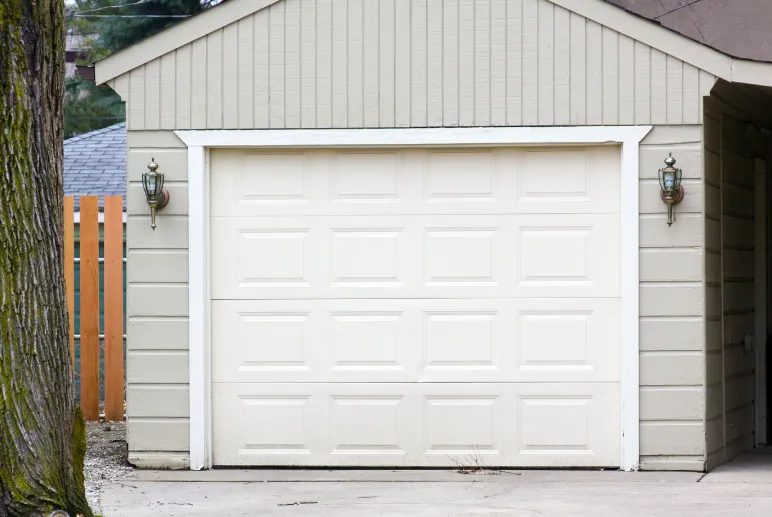
Garage Heat, Ventilation, and Fire Risks in Summer
🚗 Garage Heat, Ventilation, and Fire Risks in Summer
Why garages become hidden danger zones during hot weather
Garages often get overlooked during summer—but they can become one of the most hazardous spaces in the home when temperatures rise. During warm-weather inspections, inspectors frequently flag fire and safety risks tied to heat buildup, poor ventilation, and improper storage.
Because garages connect living space, what happens there matters more than most homeowners realize.
🌡️ Why Garages Heat Up So Fast
Garages are rarely insulated or ventilated like living areas.
In summer, inspectors often observe:
Temperatures significantly hotter than outdoors
Heat trapped against shared walls with the home
Limited airflow with no active ventilation
This heat accelerates wear on electrical components and increases fire risk.
🧴 Stored Chemicals + Heat = Increased Danger
Many garages store items that don’t mix well with high temperatures.
Inspectors commonly find:
Gasoline, solvents, and paint stored improperly
Propane tanks kept inside garages
Fertilizers or pool chemicals exposed to heat
Old containers without proper sealing
Heat increases vapor release, pressure buildup, and ignition risk.
⚡ Electrical Components Under Stress
High temperatures strain garage electrical systems.
Inspection findings often include:
Overheated outlets or extension cords
Open junction boxes
Aging wiring exposed to extreme heat
Chargers and tools plugged in continuously
Electrical components deteriorate faster in hot environments.
🌬️ Poor Ventilation & Exhaust Risks
Garages need airflow—especially attached ones.
Inspectors frequently flag:
No ventilation for heat or fumes
Exhaust gases migrating into the home
Blocked vents or sealed garage spaces
Gaps allowing hot, contaminated air indoors
Poor ventilation increases indoor air quality and fire concerns.
🔎 What Inspectors Look For
During summer inspections, City Home Inspectors checks:
Electrical safety and outlet condition
Proper storage of flammable materials
Separation between garage and living space
Ventilation and airflow
Signs of heat damage or deterioration
These findings help reduce risks before they escalate.
🛠️ Simple Safety Improvements That Matter
Homeowners can reduce summer garage risks by:
Removing or safely storing flammable materials
Unplugging unused electrical devices
Keeping vents clear and doors sealed properly
Avoiding long-term use of extension cords
Maintaining clear separation between garage and home
Small changes can significantly improve safety.
🌞 Summer Heat Changes the Rules
Garages aren’t just storage spaces—they’re part of your home’s safety system. A summer inspection helps identify heat-related hazards early, protecting both property and people.
👉 Book your home inspection with City Home Inspectors online at www.cityhomeinspectors.com.
