Cracks, Settlement, and Soil Movement: What’s Normal in Spring
🧱 Cracks, Settlement, and Soil Movement: What’s Normal in Spring
How to tell seasonal changes from structural concerns
As Chicago homes move from winter into spring, many homeowners notice new cracks, shifting walkways, or doors that suddenly stick. These changes can be alarming—but not all movement means structural trouble. Spring inspections help clarify what’s normal after freeze–thaw cycles and what deserves closer attention.
❄️➡️🌱 Why Spring Movement Happens
Winter freeze–thaw cycles cause soil to expand, contract, and shift.
As the ground thaws:
Frozen soil relaxes and settles
Moisture redistributes around foundations
Concrete and masonry respond to temperature changes
Some movement is expected—especially in older homes.
✅ Common Seasonal Changes That Are Usually Normal
Inspectors often see the following in spring:
Hairline cracks in drywall or plaster
Small vertical cracks in foundation walls
Minor gaps at trim or crown molding
Sidewalk or driveway slabs settling slightly
Doors or windows sticking briefly during temperature swings
These changes are often cosmetic and stabilize as the season progresses.
🚨 Signs That May Indicate Structural Concerns
Some movement patterns deserve closer evaluation.
Inspectors flag concerns when they see:
Wide or rapidly expanding foundation cracks
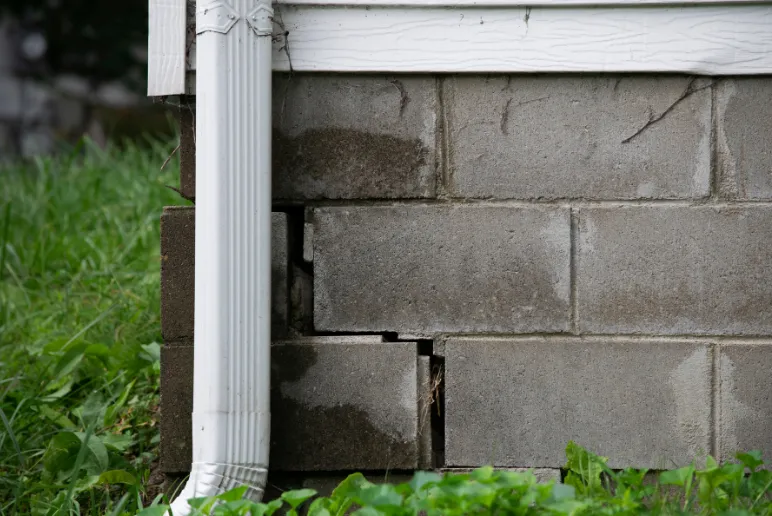
Stair-step cracking in brick or block walls
Horizontal cracks in foundation walls
Basement walls bowing or leaning
Doors or windows consistently out of square
Floors sloping noticeably
These signs may indicate ongoing structural movement.
🔎 How Inspectors Tell the Difference
Inspectors look at the pattern, location, and context of cracking.
They consider:
Crack direction and width
Whether cracks are new or recurring
Relationship to moisture or drainage issues
Interior and exterior alignment
Evidence of movement over time
This approach helps determine whether changes are seasonal or structural.
🛠️ When to Monitor vs. When to Act
Monitor hairline cracks that remain stable
Act if cracks widen, multiply, or leak water
Document changes with photos and dates
Address drainage and moisture issues early
Spring is the right time to establish a baseline.
🌱 Understanding Movement Brings Peace of Mind
Not every crack is a problem—but knowing the difference matters. A spring inspection helps homeowners understand what’s normal, what’s cosmetic, and what may need professional attention.
👉 Book your home inspection with City Home Inspectors online at www.cityhomeinspectors.com.
